Root Canal Therapy: How Modern Tools Make It Painless

Root canal treatment in Penge may sound worrying at first. Many patients still link root canal therapy with pain, stress, or long dental visits. But modern dentistry has changed this treatment.
Today, root canal therapy is designed to relieve pain, not cause it. It can save a badly infected tooth and help you avoid an extraction. With local anaesthetic, precise tools, and careful planning, most patients find the treatment far more comfortable than expected.
At Green Lane Dental Centre, your Penge dentist will first check your tooth, explain the problem, and guide you through each step. The aim is simple: remove infection, protect your natural tooth, and help you feel comfortable again.
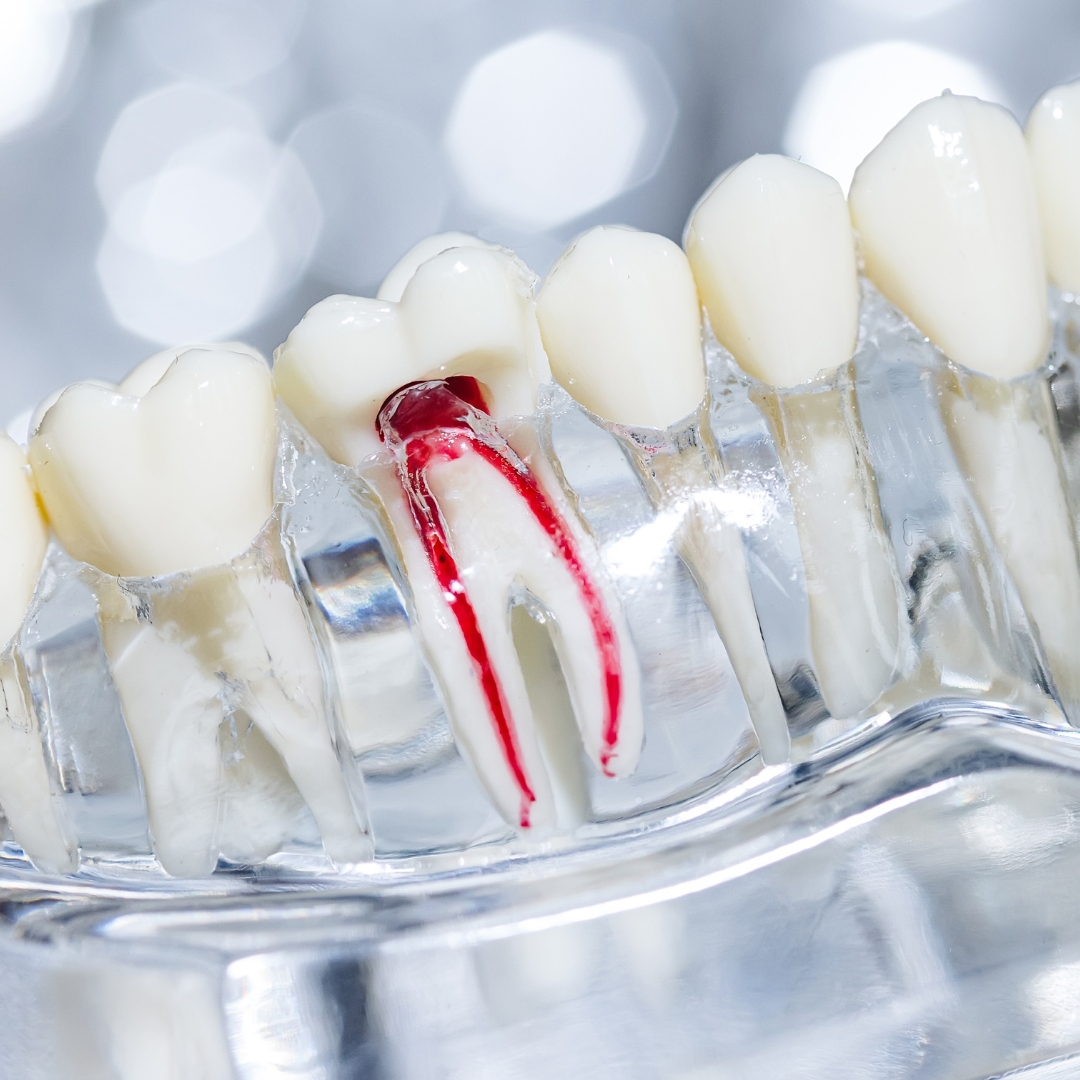
What Is Root Canal Treatment in Penge?
Root canal treatment is used when the soft tissue inside a tooth becomes infected or damaged. This soft tissue is called the pulp. It contains nerves and blood vessels.
The pulp can become infected due to:
- Deep decay
- A cracked tooth
- A leaking filling
- Dental trauma
- Repeated dental treatment on the same tooth
The NHS explains that root canal treatment usually involves removing the infected pulp, cleaning and shaping the inside of the tooth, then sealing it with a filling. A local anaesthetic is normally used, so you stay awake but should not feel pain during the procedure.
Why Root Canal Treatment Is Often Needed
A tooth infection will not usually heal by itself. Once bacteria reach the pulp, the infection can spread deeper into the tooth and sometimes into the surrounding bone.
You may need root canal treatment in Penge if you have:
- Severe toothache
- Pain when biting
- Sensitivity that lingers
- Swelling near the gum
- A small gum boil
- A darkened tooth
- Pain that wakes you at night
- Tenderness around one tooth
Some infected teeth cause strong pain. Others cause mild symptoms or no pain at all. This is why a dental check is important if something feels wrong.
Does Root Canal Treatment Hurt?
This is the question many patients ask first.
In most cases, root canal treatment should not be painful. Your dentist will numb the tooth and surrounding area before starting. You may feel pressure or movement, but you should not feel sharp pain.
The American Association of Endodontists explains that modern root canal treatment is often no more uncomfortable than having a filling. It also notes that the pain linked to root canals usually comes from the infected tooth, not the treatment itself.
So, if you are searching for a dentist near me because of tooth pain, it is worth getting checked early. Root canal therapy may be the treatment that stops the pain and saves the tooth.
How Modern Tools Make Root Canal Treatment More Comfortable
Root canal therapy has improved a lot. Modern equipment helps dentists work with more accuracy and control.
1. Local Anaesthetic for Comfort
Before treatment begins, your dentist will use local anaesthetic to numb the area. This helps make the procedure calm and comfortable.
The NHS confirms that local anaesthetic is usually given before root canal treatment, so patients are awake but do not feel pain during the procedure.
2. Digital X-rays for Better Planning
Dental X-rays help your dentist see the shape of the roots and check the area around the tooth. This helps them plan treatment more safely.
X-rays can also show whether infection has affected the bone around the root.
3. Precise Cleaning Instruments
Modern root canal tools are designed to clean the narrow canals inside the tooth. These tools help remove infected tissue and shape the canals before sealing them.
This precision helps reduce infection and supports a better long-term result.
4. Magnification and Better Visibility
Many dentists use magnification or enhanced lighting during root canal treatment. This helps them see small details inside the tooth.
Better visibility can make the treatment more accurate and efficient.
5. Improved Filling Materials
After the canals are cleaned, they are sealed with a root filling material. This helps stop bacteria from re-entering the tooth.
In many cases, the tooth may later need a crown. This is often recommended when the tooth has lost a lot of structure.

What Happens During Root Canal Treatment?
Your Penge dentist will explain the process before starting. The exact steps can vary, but treatment often follows this pattern.
Step 1: Examination and X-ray
The dentist checks your tooth and may take an X-ray. This helps confirm the cause of pain and shows the shape of the roots.
Step 2: Numbing the Tooth
Local anaesthetic is used to make the tooth comfortable before treatment begins.
Step 3: Removing the Infection
The dentist opens the tooth and removes the infected or damaged pulp from inside.
Step 4: Cleaning and Shaping
The root canals are cleaned, shaped, and disinfected.
Step 5: Sealing the Tooth
The canals are filled and sealed. A temporary or permanent filling may be placed.
Step 6: Final Restoration
Some teeth need a crown after root canal therapy. This can help protect the tooth from cracking.
Will I Feel Sore Afterwards?
Some tenderness after root canal treatment is normal. This usually settles as the area heals. Your dentist may advise pain relief if needed.
Leeds Teaching Hospitals NHS Trust explains that pain during treatment is generally rare because it is done under local anaesthetic. It also notes that the tooth may feel sore for a few days afterwards.
If pain gets worse, swelling appears, or symptoms do not settle, contact your dentist for advice.
Root Canal Treatment vs Tooth Extraction
Some patients ask if it is easier to remove the tooth. In some cases, extraction may be needed. But when possible, saving your natural tooth is often better.
A natural tooth helps you chew, speak, and maintain your bite. If a tooth is removed, you may later need a bridge, denture, or implant to fill the gap.
The American Association of Endodontists states that saving the natural tooth is usually the best option where possible, and root canal treatment can help many treated teeth last for years.
Your dentist will explain your options clearly, so you can make an informed choice.
When Should You Book an Appointment?
Do not wait for tooth pain to become severe. Early treatment can make care simpler and more comfortable.
Book an appointment if you have:
- Toothache lasting more than a day
- Swelling around a tooth
- Pain when biting
- A cracked or broken tooth
- Sensitivity that does not go away
- A bad taste near one tooth
- A gum abscess or spot near the root
If you are searching online for a dentist near me, Green Lane Dental Centre can help assess your symptoms and explain whether root canal treatment is needed.
How to Care for Your Tooth After Treatment
After root canal therapy, follow your dentist’s advice. Good aftercare can help protect the treated tooth.
You should:
- Keep the area clean
- Brush twice a day
- Clean between your teeth daily
- Avoid chewing hard foods on the tooth until restored
- Attend your follow-up visit
- Ask if a crown is needed
- Book regular check-ups
A root-treated tooth still needs care. It can still develop decay or gum problems if plaque builds up around it.
Root Canal Treatment in Penge at Green Lane Dental Centre
Root canal therapy does not need to be frightening. Modern techniques, local anaesthetic, and careful treatment planning can make the experience much more comfortable.
If you have tooth pain, swelling, or sensitivity, Green Lane Dental Centre can help. Your Penge dentist will check the tooth, explain your options, and recommend the right next step.
Book your visit today for gentle, modern root canal treatment in Penge.
- Is root canal treatment painful? Root canal treatment is usually carried out under local anaesthetic. This means you should not feel pain during the procedure, although the tooth may feel sore afterwards.
- How do I know if I need a root canal? You may need a root canal if you have severe toothache, lingering sensitivity, swelling, pain when biting, or signs of infection around one tooth.
- Can root canal treatment save my tooth? Yes, root canal treatment can often save an infected tooth by removing the damaged pulp and sealing the inside of the tooth.
- Is it better to remove the tooth instead? Not always. If the tooth can be saved, root canal treatment may help you keep your natural tooth. Your dentist will explain whether this is suitable for you.
- How long does root canal treatment take? This depends on the tooth and the level of infection. Some treatments can be completed in one visit, while others may need more than one appointment.