Are You Overdue for a Dental X-Ray? Here’s When It’s Necessary

Dental X-rays in Penge can help your dentist spot problems that may not be clear during a visual check. You may feel fine. Your teeth may look healthy. Yet early decay, hidden infection, bone loss, or impacted teeth can still develop below the surface.
That does not mean every patient needs X-rays at every visit. Your dentist will only recommend them when they are clinically useful. The timing depends on your oral health, dental history, symptoms, age, and risk of future problems.
At Green Lane Dental Centre, a dental X-ray may be used as part of a full check-up or dental examination Penge appointment. It gives your dentist a clearer view before they suggest treatment or confirm that everything looks stable.
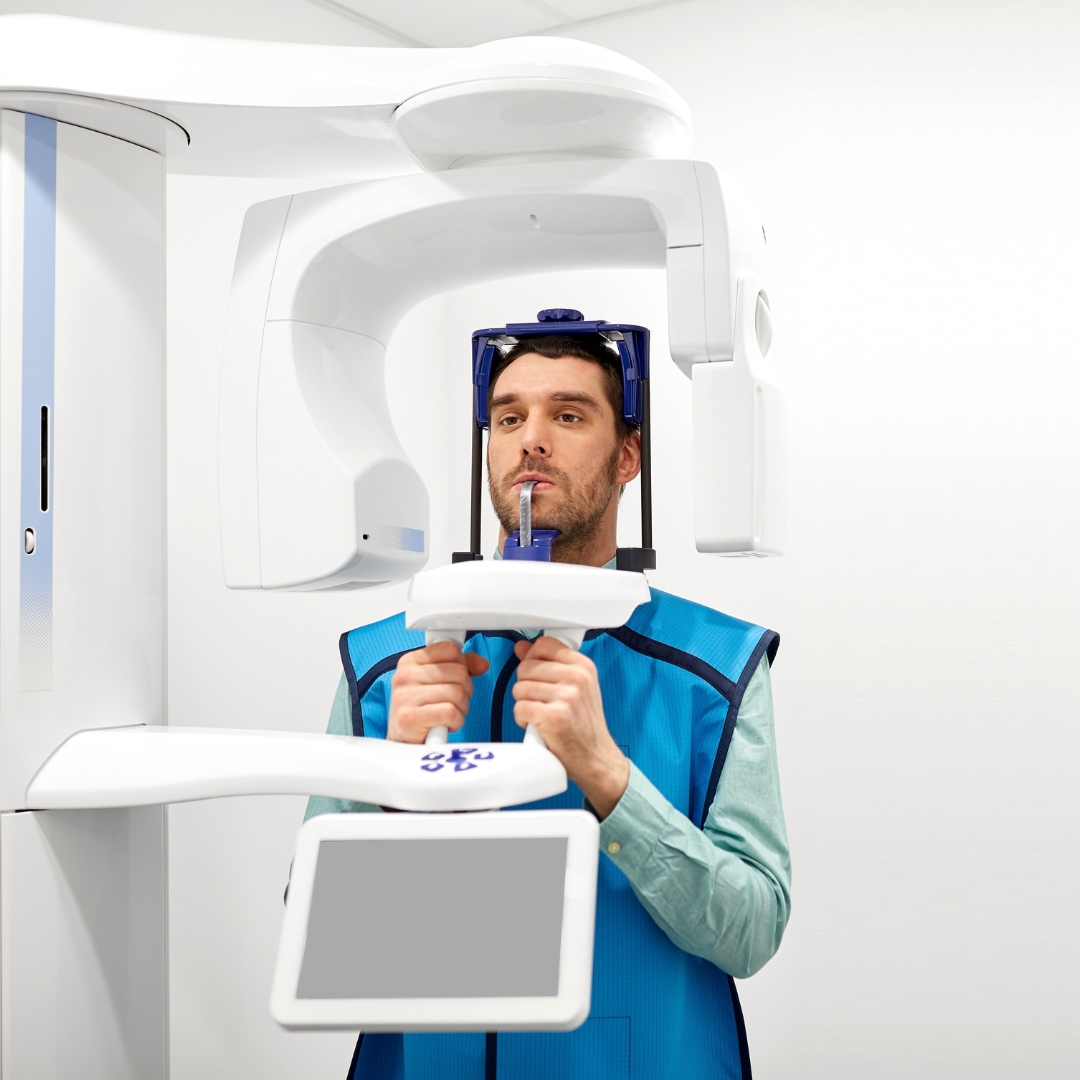
Why Dental X-rays in Penge May Be Needed
A mirror and dental probe can show a lot. But they cannot show everything. X-rays help dentists see areas between teeth, under fillings, around roots, and inside the jawbone.
Dental radiographs are commonly used to help diagnose hidden dental structures, cavities, bone loss, and other changes that may not be visible during a normal exam.
This can be helpful if you have:
- Tooth pain
- Sensitivity to hot, cold, or sweet food
- Bleeding gums
- A loose tooth
- Swelling near the gum
- A deep filling or crown
- Wisdom tooth pain
- A history of decay or gum disease
Your dentist Penge may also recommend an X-ray before treatment. This may include root canal treatment, dental implants, extractions, crowns, or orthodontic care.
Are Dental X-rays Taken at Every Check-Up?
No. X-rays are not always needed at every appointment.
The NHS says your dentist will recommend your next check-up based on your risk and dental needs. This can range from 3 months to 2 years for adults, depending on oral health.
The same idea applies to X-rays. A low-risk patient with healthy teeth and gums may need them less often. A patient with frequent decay, gum disease, pain, or complex dental work may need them more often.
So, being “overdue” for an X-ray does not always mean you have missed a fixed deadline. It means your dentist may need updated images if your mouth has changed, or if there is a concern that needs checking.
Signs You May Be Overdue for Dental X-rays in Penge
You may need updated dental X-rays in Penge if you have not had any for several years and you now have symptoms. You may also need them if your dentist cannot fully assess an area by sight alone.
Common signs include:
1. Toothache That Keeps Coming Back
A toothache may be caused by decay, infection, cracks, or pressure from another tooth. An X-ray can help show whether the problem is near the nerve or root.
2. Sensitivity That Has Changed
Mild sensitivity can happen for many reasons. But if it becomes sharp, lasts longer, or affects one tooth, your dentist may want to check for hidden decay or a leaking filling.
3. Bleeding or Receding Gums
Gum disease can affect the bone that supports your teeth. X-rays can help your dentist assess bone levels and plan the right care.
4. Old Fillings, Crowns, or Bridges
Decay can sometimes form around or beneath older dental work. An X-ray may help detect this before the tooth breaks or becomes painful.
5. Wisdom Tooth Problems
Wisdom teeth can grow at an angle or become trapped. A dental X-ray can show their position and whether they are affecting nearby teeth.

What Can a Dental X-Ray Show?
A dental X-ray can help your dentist check:
- Decay between teeth
- Decay under fillings
- Root infection
- Bone loss linked to gum disease
- Impacted wisdom teeth
- Tooth position
- Jawbone condition
- Cysts or other changes
- The health of teeth before treatment
This makes X-rays useful for prevention as well as diagnosis. They can help detect small issues before they turn into bigger problems.
Dental Examination Penge: How X-rays Fit Into Your Visit
During a dental examination Penge appointment, your dentist will check your teeth, gums, bite, soft tissues, and any existing dental work.
If everything looks healthy, you may not need an X-ray that day. If your dentist sees something unusual, or if you report symptoms, they may recommend one.
The X-ray is not used on its own. It supports the clinical exam. Your dentist will combine what they see in your mouth with what appears on the image. This helps them give safer and more accurate advice.
Are Dental X-rays Safe?
Dental X-rays use a controlled amount of radiation. Dentists follow strict safety rules and only take X-rays when there is a clear reason.
Modern dental X-rays are designed to keep exposure low. Wikipedia’s overview of dental radiography notes that the dose from dental imaging is typically small compared with many everyday radiation exposures.
If you are pregnant, trying to become pregnant, or worried about radiation, tell your dentist before your appointment. They can explain whether an X-ray is needed and what safety steps apply.
How Often Should You Have Dental X-rays?
There is no single answer for every patient.
Your dentist may recommend X-rays more often if you:
- Have a high risk of tooth decay
- Have active gum disease
- Have many fillings or crowns
- Are having dental pain
- Are planning treatment
- Have had recent dental infections
- Are being monitored after treatment
You may need them less often if:
- Your teeth and gums are healthy
- You have no symptoms
- You have a low decay risk
- Your previous X-rays showed no concerns
- You attend routine check-ups
Your dentist Penge will base the advice on your needs, not a fixed schedule.
What Happens After the X-Ray?
Your dentist will review the image and explain what it shows. If there is no problem, they may simply record it as part of your dental history.
If there is an issue, they will explain your options. This may include monitoring the area, improving your cleaning routine, placing a filling, treating gum disease, or planning further treatment.
The aim is always to catch problems early and avoid more complex care later.
Why Early Checks Matter
Small dental problems often cause no pain at first. By the time pain appears, decay or infection may already be more advanced.
That is why regular check-ups matter. The NHS explains that your dental check-up interval depends on your risk of dental problems. People with good oral health may need less frequent visits, while those with more issues need to be seen more often.
If you have not had a check-up for a while, booking a visit is a sensible first step. Your dentist can then decide whether an X-ray is needed.
Book Dental X-rays in Penge at Green Lane Dental Centre
If you are unsure when you last had an X-ray, or you have new dental symptoms, Green Lane Dental Centre can help. A full dental check can show whether you need updated images or simple routine care.
Book a dental examination Penge appointment with Green Lane Dental Centre today. Your dentist can assess your teeth, explain whether X-rays are needed, and help you protect your smile with clear advice.
Are dental X-rays necessary?
Dental X-rays are necessary when your dentist needs to see areas that are not visible during a normal exam. They can help detect hidden decay, infection, bone loss, or impacted teeth.
How often should I get dental X-rays?
It depends on your oral health. Some patients need them more often due to decay, gum disease, pain, or treatment planning. Others may need them less often if their teeth and gums are stable.
Can a dentist see decay without an X-ray?
A dentist can see some decay during an exam. But decay between teeth, under fillings, or near the root may need an X-ray to confirm.
Are dental X-rays painful?
No. Dental X-rays are quick and painless. You may need to bite gently on a small holder while the image is taken.
Should I book a dental examination before asking for an X-ray?
Yes. A dentist should examine your mouth first. They will then decide whether an X-ray is needed based on your symptoms, history, and oral health.