Dental Habits Every Child Should Learn Early

A children’s dentist in Penge can help young patients build healthy habits that protect their teeth for life. Good dental care should start early. Children who learn simple routines at a young age are more likely to keep them as they grow.
Tooth decay can affect baby teeth as well as adult teeth. Even though baby teeth fall out, they still matter. They help children eat, speak, smile, and guide adult teeth into the right position.
At Green Lane Dental Centre, we support families with calm, friendly care. Our aim is to make each visit positive, simple, and helpful for both children and parents.
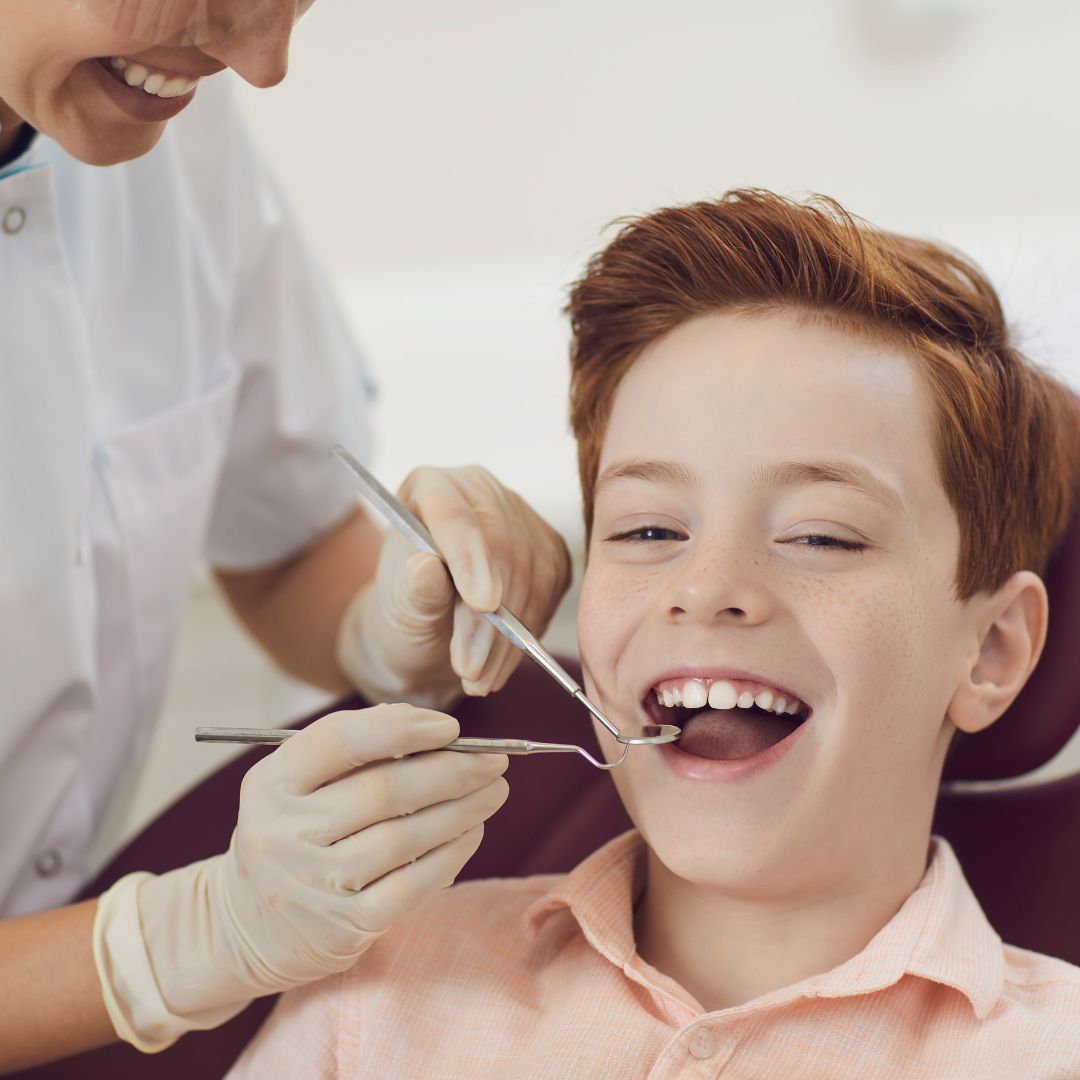
Why Early Dental Habits Matter
Children are not born knowing how to care for their teeth. They need guidance, reminders, and support. Early habits can reduce the risk of decay, gum problems, toothache, and dental fear.
When children get used to dental care early, it becomes part of normal life. Brushing, healthy snacks, and routine check-ups feel less stressful.
A regular visit with a dentist in Penge can also help parents understand what their child needs at each stage.
Habit 1: Brushing Twice a Day
Brushing twice a day is one of the most important habits a child can learn.
Children should brush:
- Once before bed
- Once at another time during the day
The bedtime brush is especially important. Saliva flow slows during sleep, so teeth need protection overnight.
Parents should help young children brush until they can do it well on their own. Many children need support until around age 7 or 8.
Use small, gentle circles. Make sure your child brushes the front, back, and biting surfaces of each tooth.
Habit 2: Using the Right Amount of Toothpaste
Children do not need a large amount of toothpaste.
A smear of fluoride toothpaste is usually enough for children under 3. Children aged 3 to 6 usually need a pea-sized amount.
Fluoride helps protect enamel and lower the risk of tooth decay. After brushing, children should spit out the toothpaste. They should not rinse with lots of water, as this can wash away the fluoride.
This simple habit can make brushing more effective.
Habit 3: Learning That Baby Teeth Matter
Some parents think baby teeth are not important because they fall out. But this is not true.
Baby teeth help children chew food, speak clearly, and smile with confidence. They also hold space for adult teeth.
If baby teeth are lost too early due to decay, adult teeth may not come through in the right position. This can lead to crowding or bite problems.
A children’s dentist in Penge can monitor baby teeth and explain how to care for them as your child grows.
Habit 4: Cutting Down on Sugary Snacks
Sugar is one of the main causes of tooth decay. It feeds bacteria in plaque. These bacteria then produce acids that attack tooth enamel.
Children do not need to avoid every sweet treat. But frequency matters. Snacking on sugary foods throughout the day can increase the risk of decay.
Try to keep sugary foods and drinks to mealtimes where possible. Choose tooth-friendly snacks such as:
- Cheese
- Plain yoghurt
- Fresh fruit
- Vegetable sticks
- Breadsticks
- Water
- Milk
Avoid sending children to bed with juice, squash, or milk in a bottle. Water is the safest drink overnight.
Habit 5: Drinking More Water
Water is the best everyday drink for children’s teeth. It helps rinse the mouth and does not contain sugar.
Many fruit juices and fizzy drinks contain high levels of sugar and acid. Even “natural” juice can affect enamel if children drink it often.
Encourage your child to drink water between meals. This is a simple habit that can protect their teeth every day.
Habit 6: Visiting the Dentist Early
Children should not only visit the dentist when something hurts. Early visits help them get used to the dental setting.
A routine appointment allows the dentist to check:
- Tooth development
- Gum health
- Brushing quality
- Early signs of decay
- Bite development
- Thumb sucking or dummy habits
- Diet and oral hygiene routines
It also gives parents a chance to ask questions.
At Green Lane Dental Centre, children’s dentistry in Penge is focused on prevention, reassurance, and gentle care.
Habit 7: Speaking Positively About the Dentist
Children often copy how adults feel. If a parent talks about the dentist as scary, painful, or stressful, the child may feel anxious before they even arrive.
Try to use calm and simple words. For example:
- “The dentist will count your teeth.”
- “They will check your smile.”
- “They will help keep your teeth strong.”
Avoid words like “needle”, “pain”, “drill”, or “hurt” unless your dentist explains them in the right way.
A positive attitude can help your child feel safe during appointments.
Habit 8: Cleaning Between Teeth When Needed
As children get older, their teeth may sit closer together. Food and plaque can get trapped between them.
Your dentist may suggest flossing or using small interdental brushes when needed. Parents should help with this at first.
Not every child needs the same routine. A dentist in Penge can check your child’s teeth and advise when interdental cleaning should start.
Habit 9: Protecting Teeth During Sport
Active children may be at risk of dental injuries during sport. This is especially true for contact sports such as rugby, hockey, boxing, or martial arts.
A mouthguard can help protect teeth from chips, cracks, or being knocked out.
If your child plays sport, ask your dentist whether a mouthguard is needed. A custom-fit mouthguard usually offers better comfort and protection than a basic shop-bought option.
Habit 10: Telling an Adult About Tooth Pain
Children may not always explain tooth pain clearly. They may avoid eating on one side, wake at night, or become upset during meals.
Teach your child to tell you if:
- A tooth hurts
- Their gums bleed
- Food gets stuck
- A tooth feels wobbly
- They feel pain when biting
- Hot or cold drinks hurt
Early action can stop small problems from becoming emergencies.
How Parents Can Support Children at Home
Parents play the biggest role in a child’s dental routine. The best habits come from daily practice.
You can help by:
- Brushing together as a family
- Using a timer for two minutes
- Keeping toothbrushes easy to reach
- Choosing a child-friendly toothbrush
- Limiting sugary snacks
- Booking regular dental visits
- Praising good brushing
- Making dental care part of the bedtime routine
Small steps can make a big difference over time.
Children’s Dentist in Penge: When to Book
You should book an appointment if your child has pain, swelling, a broken tooth, or signs of decay. But routine visits are also important, even when everything seems fine.
A children’s dentist in Penge can help prevent problems before they start. They can also support children who feel nervous or need extra reassurance.
Book a visit if your child:
- Has not seen a dentist recently
- Complains of toothache
- Has bleeding gums
- Has visible brown or white marks on teeth
- Has crowded teeth
- Has a dental injury
- Struggles with brushing
- Eats lots of sugary snacks
Children’s Dentistry in Penge at Green Lane Dental Centre
At Green Lane Dental Centre, we believe early care should feel simple, calm, and supportive. Our team helps children learn healthy habits in a friendly setting.
From first visits to routine check-ups, children’s dentistry in Penge can help your child feel more confident about their smile.
If your child is due for a check-up, book an appointment with Green Lane Dental Centre today. A gentle visit now can help build better dental habits for life.
- When should a child first visit the dentist? Children should visit the dentist when their first teeth come through, or by their first birthday. Early visits help children get used to the dental environment.
- How often should children see a dentist? This depends on your child’s oral health. Many children attend every six months, but your dentist may suggest a different schedule based on their needs.
- How can I stop my child getting cavities? Brush twice a day with fluoride toothpaste, limit sugary snacks and drinks, encourage water, and book regular dental check-ups.
- Should parents brush their child’s teeth? Yes. Young children need help brushing. Many children need supervision until around age 7 or 8.
- What should I do if my child is scared of the dentist? Stay calm, use positive language, and book a gentle check-up. Tell the dental team if your child feels nervous, so they can support them.